Tiny Apartment Storage: 11 Smart Ideas That Make a Small Space Feel Twice as Big
A tiny apartment does not mean you have to live like you are camping indoors. Most small spaces feel cramped for one reason: everything has a home except the things you actually own. Tiny apartment storage works when every inch earns its keep — walls, doors, beds, even the gap above the fridge — and when the system is simple enough that you keep using it after the first weekend.
1. Go Up Before You Go Out
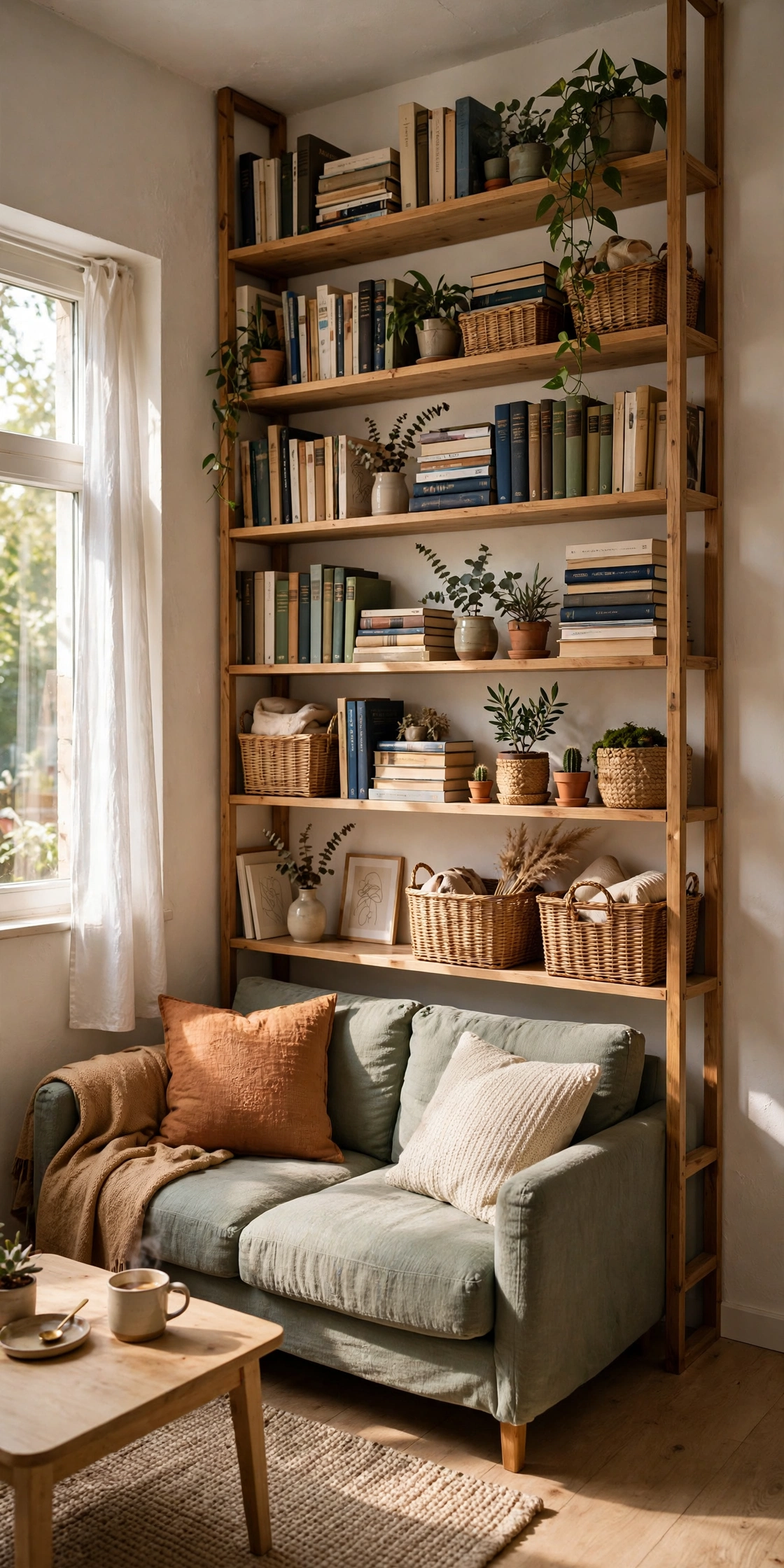
Floor space is the most expensive thing in a tiny apartment, and wall space is usually free. Tall, narrow shelving that reaches the ceiling stores more than a wide bookcase ever will, and it draws the eye upward so the room feels taller. Put daily items at arm height, seasonal things up high, and never let the top shelf become a graveyard for things you will not touch again.
Anchor tall shelves to the wall with two brackets, because a freestanding shelf loaded with books can tip forward when a child or a pet leans on it. A 180-centimetre bookcase, 30 centimetres deep, costs $40–$70 and holds about 60 books. Avoid shelves deeper than 35 centimetres in a walkway: they steal floor space and bruise shins, so keep the deepest shelves against the longest wall.
2. Put Your Bed to Work
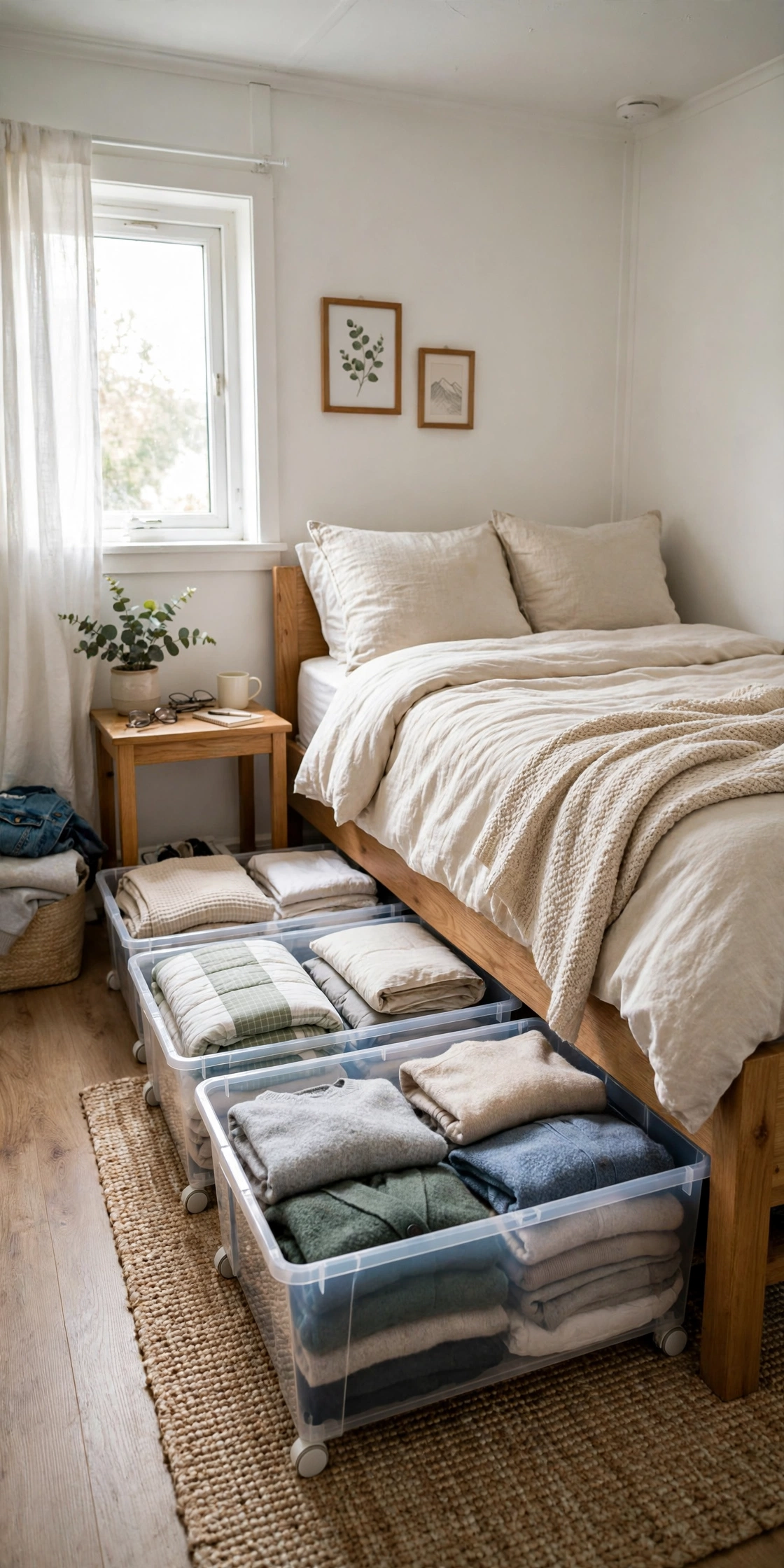
Your bed is the biggest piece of furniture you own, and the space under it is a whole closet you are not using. Low rolling bins hold off-season clothes, spare bedding and bulky items you only need a few times a year. If your bed sits flat on the floor, inexpensive risers buy you six extra inches of hidden storage overnight — no tools, no damage, and your landlord will never know.
Measure the clearance before you buy bins: most bed frames leave 15–20 centimetres underneath, so a bin 12 centimetres high slides in easily, while a 25-centimetre bin jams. A set of two low rolling bins costs $20–$30, and bed risers that add 15 centimetres cost $10–$15 for a set of four. Avoid fabric bins without a rigid base: they sag, snag on the floor and are hard to pull out when full. For more under-bed and over-door tricks, see this guide to small bedroom big storage.
3. One In, One Out — For Real This Time
No storage system survives a growing pile of stuff. The rule that actually works in a tiny apartment is simple: every new item replaces an old one. New sweater in, old sweater out. New mug in, chipped mug out. Tape a small donation bag inside a closet door and drop things in as you decide, then take it out the door the moment it is full. Storage is not about buying bins; it is about deciding what deserves to stay.
Make the rule visible: tape a small list inside the closet door with three columns — in, out, and the date — so the swap is a habit, not a memory test. A donation bag about 60 litres costs $2–$3, and a full bag holds roughly 15 folded sweaters. Avoid the “maybe” pile: if you have not worn it in 12 months, it goes in the bag, because a maybe pile is just clutter with a nicer name.
4. Make the Door Earn Its Keep
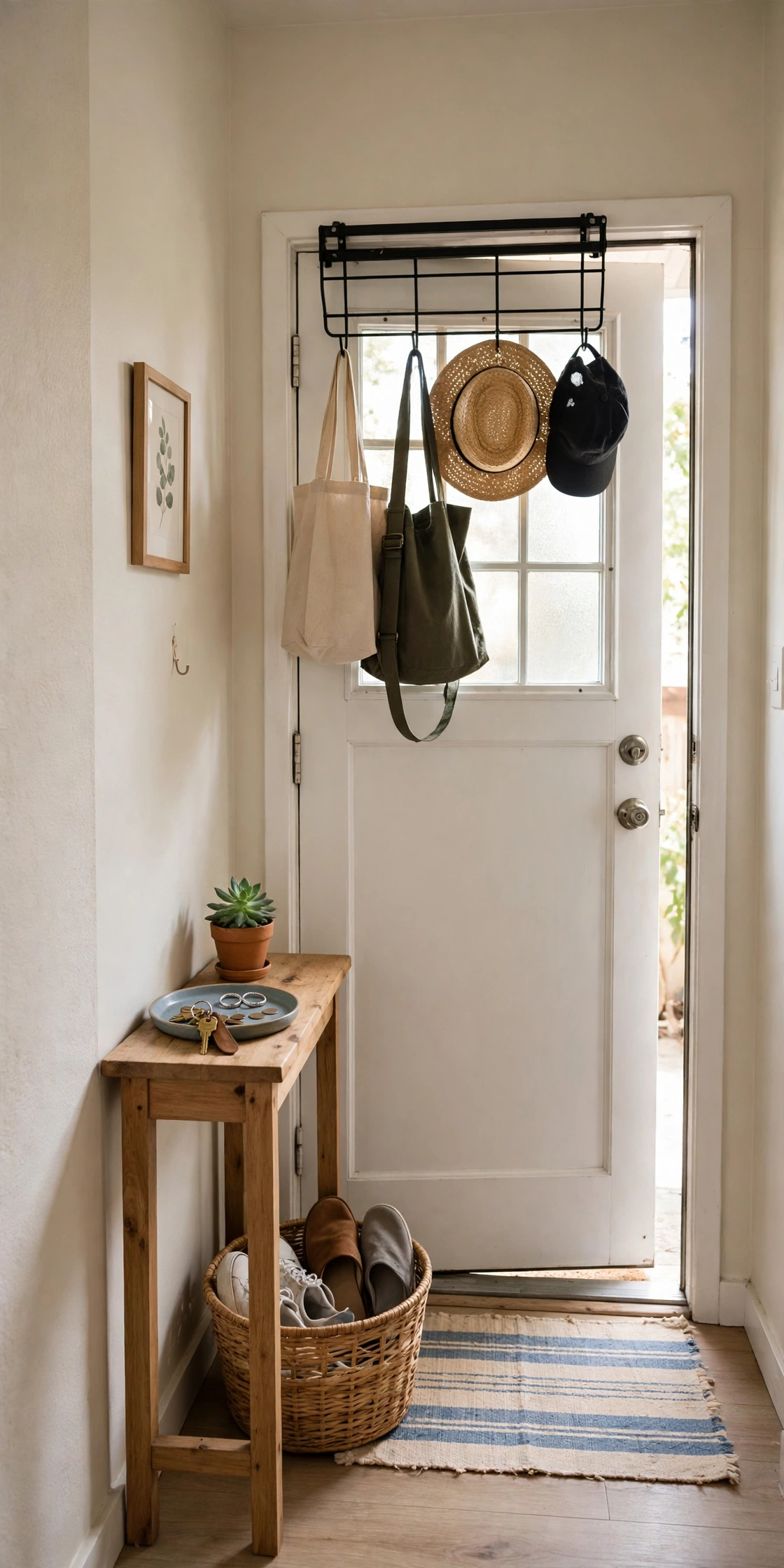
The back of every door is a shelf waiting to happen. Over-door hooks hold bags, hats and robes; a slim over-door rack turns a bathroom or bedroom door into a pantry for shoes, cleaning supplies or accessories. This is renter-friendly storage at its best — it installs in seconds, leaves no holes, and moves with you to the next apartment.
Check the door thickness before you buy a rack: most over-door hooks fit doors 3.5–4.5 centimetres thick, while older doors can be 5 centimetres and jam. A slim over-door rack with six hooks costs $12–$18, and a clear over-door shoe organiser costs $10–$15. Avoid racks with a sharp metal top edge: they scratch the door frame and squeak every time the door moves, so choose one with a foam or rubber coating.
5. Furniture That Does Two Jobs
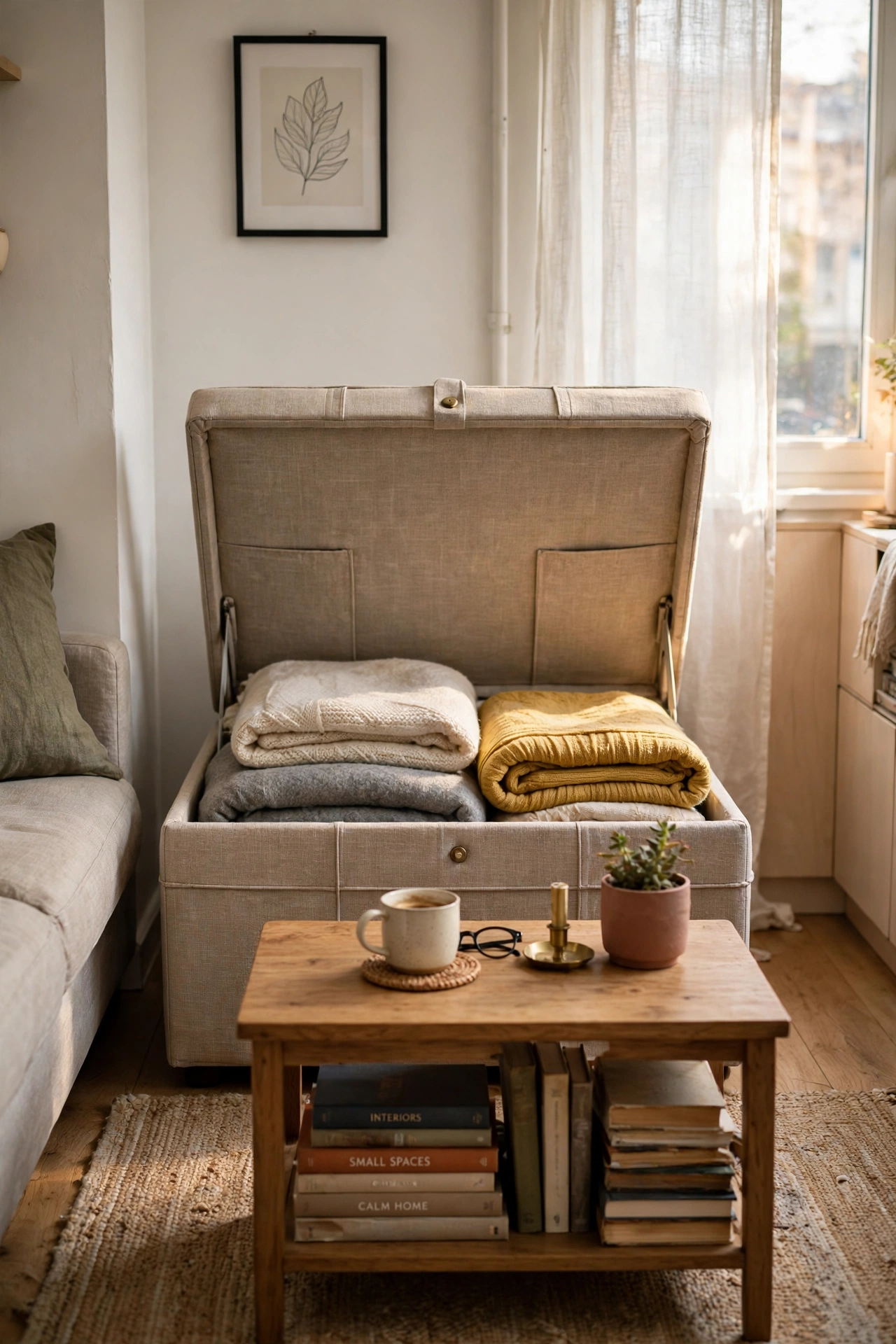
In a tiny apartment, every piece of furniture should work twice. An ottoman with storage inside hides blankets and board games. A coffee table with a shelf underneath holds books and chargers. A bench by the door stores shoes and gives you a place to sit while you put them on. When you shop, ask one question before you buy: what else can this hold?
Test the storage before you buy: lift the ottoman lid and check the inside is at least 25 centimetres deep, or it holds only a magazine. A storage ottoman about 80 centimetres wide costs $40–$70, and a coffee table with a shelf costs $50–$90. Avoid furniture with storage you cannot reach without moving something else: if the lid only opens when the tray comes off, you will never use it. For more furniture that hides clutter in the living room, see this guide to small living room storage.
6. Zone Your Apartment Like a Studio
Small spaces feel chaotic when everything happens everywhere. Give each corner one job: a sleep zone, a work zone, a cooking zone, a relaxing zone. A rug, a curtain or even a bookshelf turned sideways marks the boundary without building a wall. Once zones exist, clutter has an address — and anything without a zone is the first thing to go.
Size each zone to the job, not the room: a sleep zone needs a bed plus 60 centimetres of walking space on one side, while a work zone needs a desk 100 centimetres wide and a chair that slides in fully. A rug about 120 by 180 centimetres marks a living zone for $30–$50. Avoid zones that overlap the walkway: if you must step through the work zone to reach the kitchen, the zones will never hold.
7. Clear Containers, Honest Labels
You cannot use what you cannot find. Clear bins on shelves let you see contents at a glance, which stops the classic tiny-apartment trap of buying a second phone charger because the first one vanished into a box. Label the bins you cannot see through — masking tape and a marker cost almost nothing and save you from opening five boxes to find one scarf.
Size bins to the shelf, not the stuff: a bin 30 centimetres wide and 20 deep fits a standard shelf and still leaves room to pull it out, while a bin that fills the shelf exactly jams. Clear stackable bins cost $8–$15 each, and a label maker costs about $20. Avoid opaque bins for everyday items: if you cannot see the charger, you will buy a second one, which is exactly the trap this idea is meant to stop.
8. The Kitchen Is a Storage Goldmine
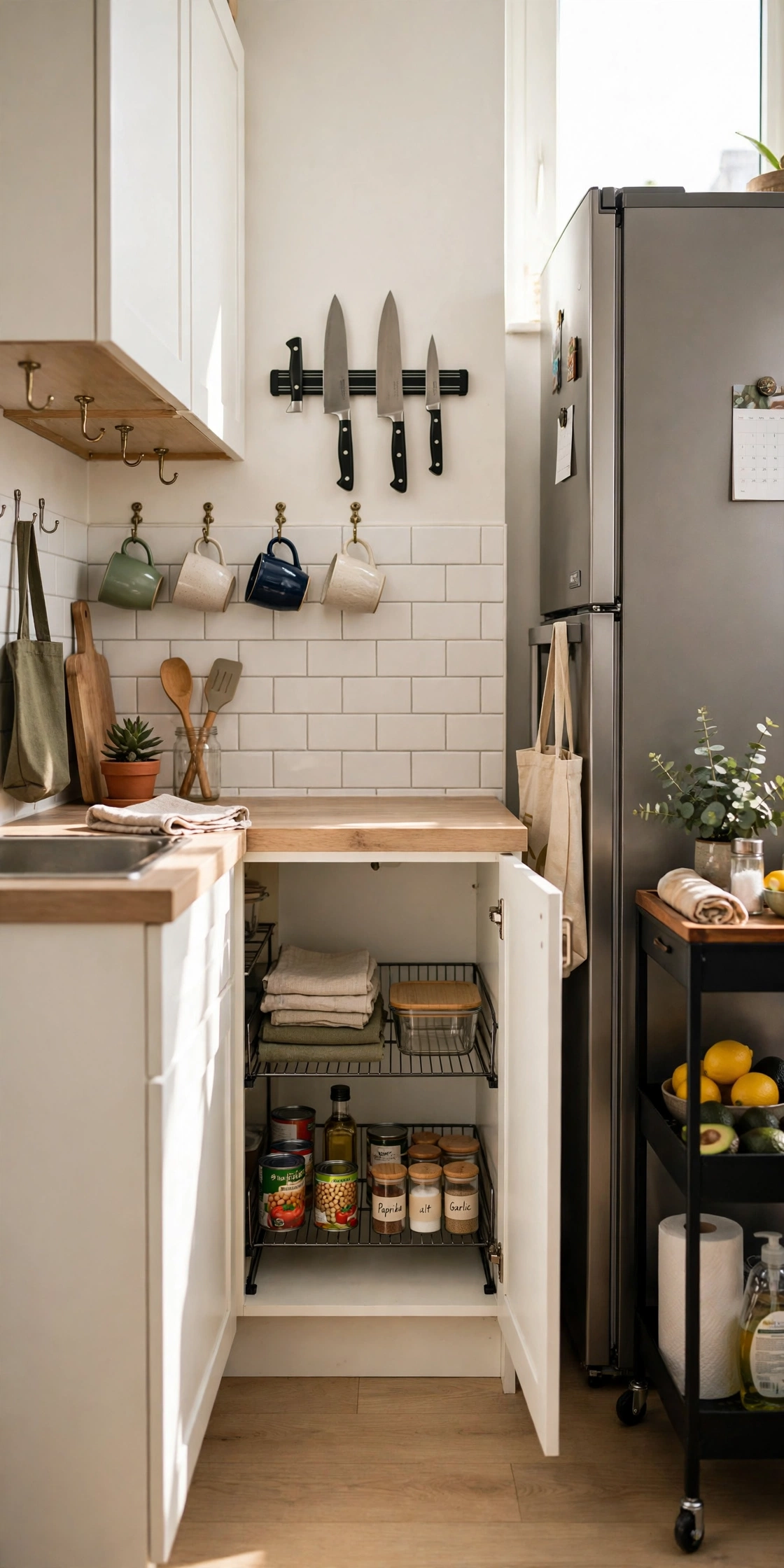
Tiny kitchens punish wasted space the hardest. A magnetic strip on the wall holds knives and frees a whole drawer. Hooks under upper cabinets hang mugs, measuring cups and utensils. A tension rod inside a cabinet keeps cutting boards and baking trays upright instead of stacked in a sliding pile. Stackable shelves inside cabinets double the usable height for plates and pantry goods.
Measure the cabinet before you buy stackable shelves: most cabinets are 30–35 centimetres tall inside, so a shelf 25 centimetres high leaves room for plates underneath, while a taller shelf traps them. A pair of stackable shelves costs $12–$18, and a magnetic knife strip 30 centimetres long costs $10–$15. Avoid hanging heavy pans from a tension rod: it slips under weight, so use it only for light cutting boards and lids.
9. Use the Dead Spaces
Every apartment has dead spaces: above the fridge, above the bathroom door, the gap between the wardrobe and the wall, the top of the kitchen cabinets. A single basket on top of the cabinets holds the holiday dishes you use twice a year. A narrow rolling cart slides into the gap beside the fridge for spices and cleaning sprays. Dead space is free — claim it before clutter claims your counters.
Measure each gap before you buy: the space beside most fridges is 10–15 centimetres wide, so a cart 13 centimetres wide slides in, while a 20-centimetre cart jams. A narrow three-tier cart costs $18–$28, and a basket for the top of the cabinets costs $8–$12. Avoid storing heavy items above the fridge: the heat and the height make them hard to lift down safely, so keep light, rarely used things up there.
10. A Landing Zone by the Front Door
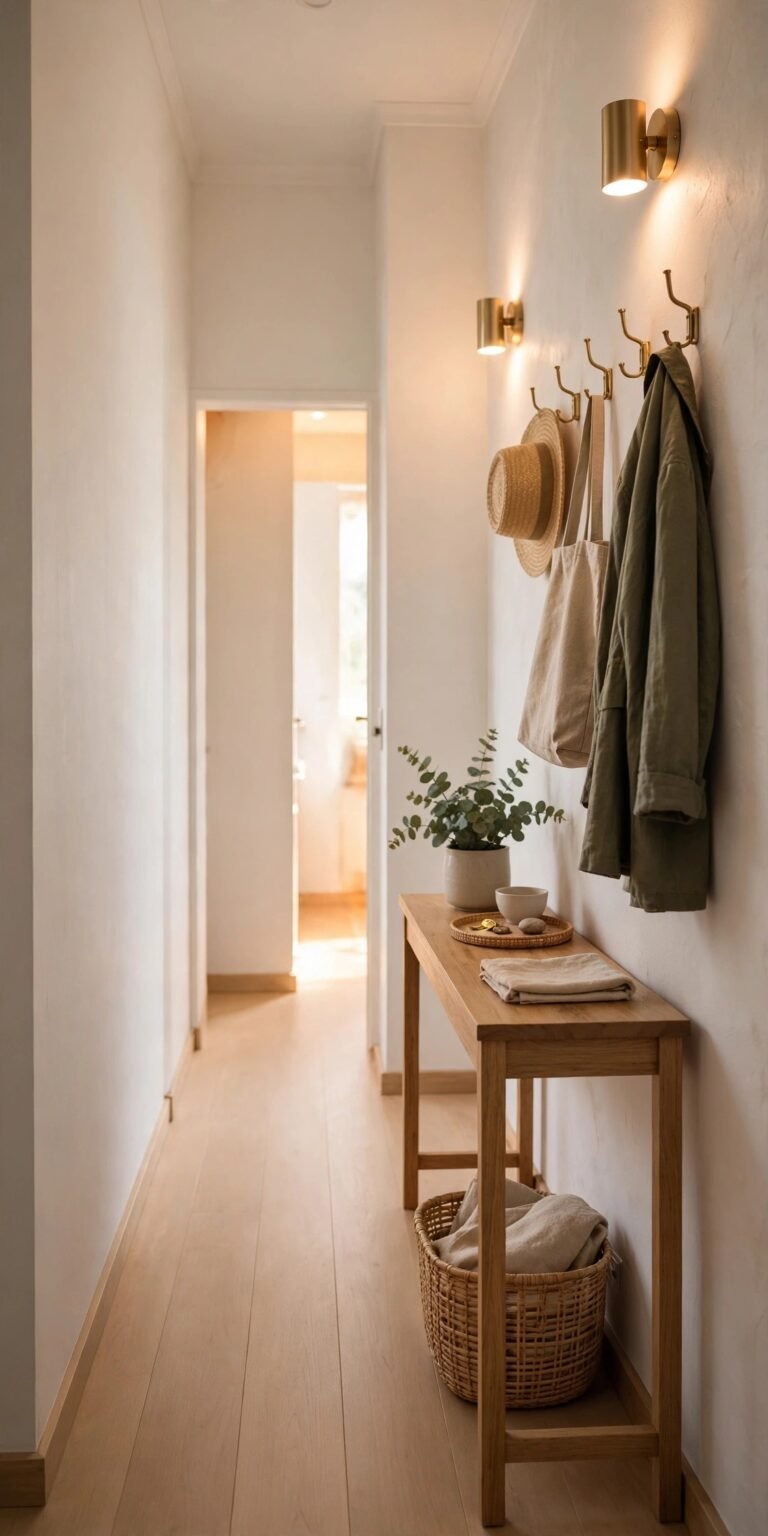
Most apartment mess starts at the front door: keys, mail, bags, shoes, all dumped in a pile that spreads. A small tray for keys, three hooks for bags and jackets, and a basket for shoes turns the entry into a system instead of a junkyard. Five minutes setting it up saves ten minutes of hunting for your keys every single morning.
Keep the landing zone shallow: a tray 30 by 20 centimetres holds keys, wallet and mail without eating hallway space, and three hooks at 150–170 centimetres high suit adults and children. A small shoe basket about 40 centimetres wide costs $12–$18. Avoid a deep console table in a narrow entry: it blocks the door swing and becomes a dumping ground, so a wall-mounted shelf 15 centimetres deep is the better choice. For the full entry system, see this guide to entryway organization for small homes.
11. The Ten-Minute Nightly Reset
A tiny apartment forgives a busy day but not a skipped week. Ten minutes before bed: put dishes in the sink, return things to their zones, toss the day’s mail into recycling, and flatten the couch cushions. Small spaces reward small habits more than big cleanouts. The reset is what keeps all ten ideas above working in month three, not just on move-in weekend.
Anchor the reset to something you already do: wipe the counter while the kettle boils, and put the ten-minute timer on your phone so it rings before you sit down. Keep a small basket by the door for the day’s mail and a microfibre cloth under the sink — a 500-millilitre spray bottle costs about $3 and lasts a month. The mistake to avoid is resetting only when guests come: a skipped week takes an hour to fix, while a nightly ten minutes keeps it at ten minutes.
A Small Apartment, Lived Large
You do not need a bigger apartment — you need taller shelves, a working bed, furniture that pulls double duty, and a nightly reset. Start this weekend with the door hooks and the under-bed bins, add the zones and the landing tray next week, and watch the same rooms feel twice as big. That is the whole budget: a few small buys, a few honest decisions about what stays, and a space that finally fits your life.